Reverse osmosis drinking water

Reverse osmosis drinking water in Santa Barbara.

A dedicated stage under the kitchen sink, on its own faucet. The water you drink and cook with gets taken further than the whole house stages take it.

What it takes care of

What an under sink reverse osmosis system takes care of

And when the assessment finds something this stage does not do, you get pointed at the one that does.

The last of the taste

What the whole house stages leave behind in the glass you drink.

Dissolved solids

The minerals and salts that carbon and softening do not touch.

Ice, coffee and cooking

Everything you make with water at the kitchen tap.

Dealing with something else?

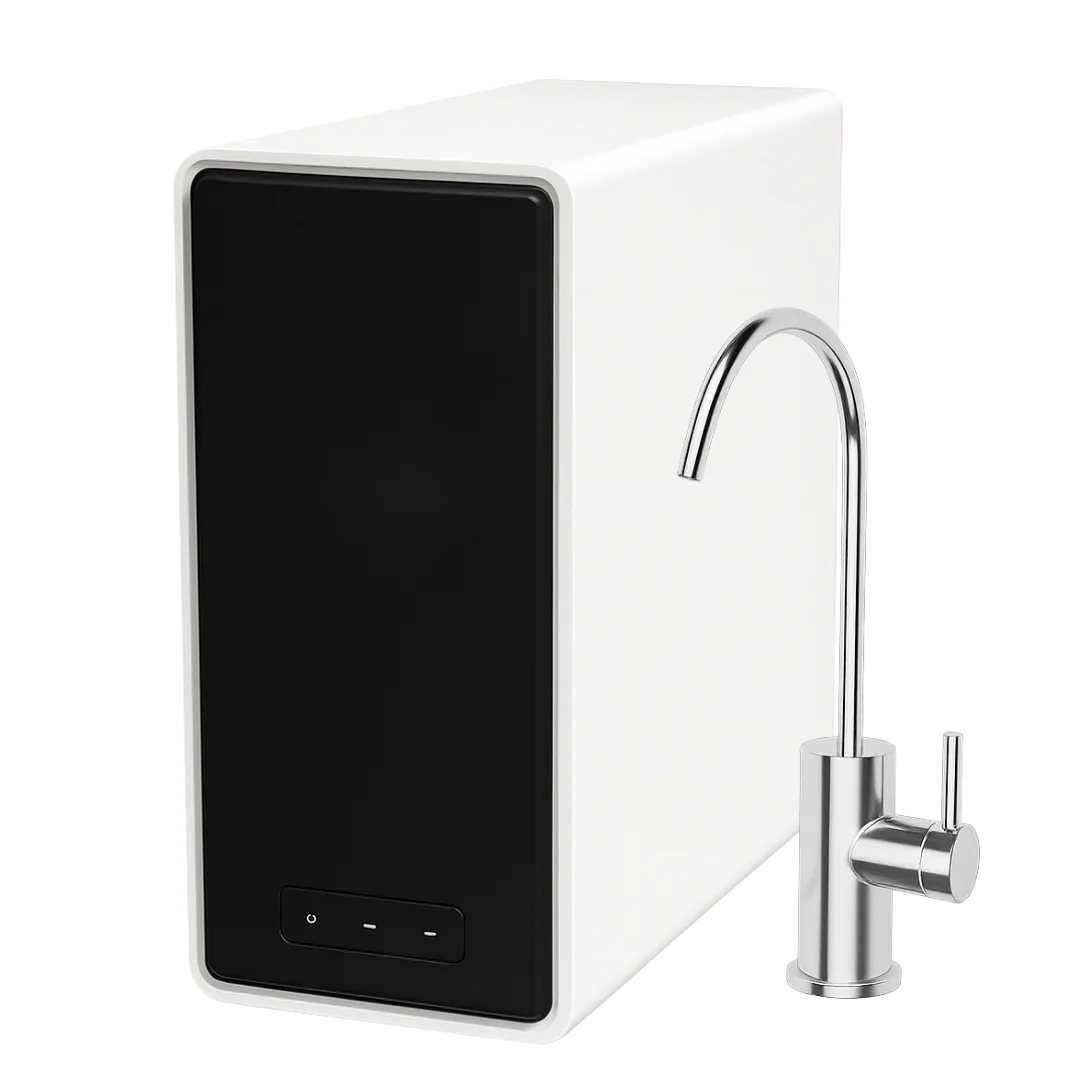
Under sink tankless reverse osmosis unit with its own faucet

The tankless RO. A small box in the cabinet under the sink.

The system

A tankless reverse osmosis system under the sink

One stage in a small box under the sink. Tankless, so no storage tank eats the cabinet, and it feeds its own faucet at the counter. Filter changes come on the schedule in your setup notes, and that is the whole routine.

The whole home system it comes with

The RO is the third stage of the whole home system, which softens and filters the water for the rest of the house.

What it costs

Free with the system

There is no standalone price to compare, because it is not sold that way. The RO rides free with the whole home system, inside the one number that page shows. If drinking water is your whole situation, the assessment sorts out what that looks like.

Get Your Free Water Assessment

At the kitchen tap

A faucet of its own, next to the one you have

Your main kitchen tap stays as it is. The drinking water faucet sits beside it and the unit lives in the cabinet below.

  • Tankless. No storage tank taking up the cabinet.
  • Its own faucet. Drinking and cooking water, kept separate.
  • One routine. Filter changes on the schedule in your setup notes.

The tap you drink from deserves its own stage.

Good to know

Reverse osmosis in Santa Barbara: what to know

What reverse osmosis does

Water is pushed through a very fine membrane that lets water through and holds back much of what is dissolved in it. What is held back is rinsed to the drain.

It is the stage that goes furthest, which is why it is used for drinking and cooking water rather than the whole house.

Why it goes at the kitchen tap

Showers, laundry and toilets do not need drinking water. Putting reverse osmosis on one faucet keeps the system small and puts the treatment where you actually drink.

The rest of the house is handled by the whole home system.

Tankless or tank

Older systems store treated water in a pressure tank under the sink. A tankless unit makes water as the faucet runs, so the cabinet keeps most of its room.

The faucet sits beside your main tap and does not change how the main tap works.

Looking after it

Filter changes come on a schedule, written into your setup notes when the system goes in.

That is the whole routine. There is no tank to drain and nothing to adjust.
Questions

Reverse osmosis questions

Anything else goes in your assessment request, and the answer comes back with your number.

The whole house stages handle what you feel and smell everywhere. The water you swallow is held to a tighter bar, and what this stage takes out of yours specifically is part of the assessment.

Next to your main kitchen tap, a small faucet of its own. The box lives in the cabinet under the sink.

That is an assessment conversation, not a menu item. Start there and the answer comes with a number in writing.

It is a small box with no storage tank, so most kitchen cabinets keep the bulk of their room.

On the schedule in your setup notes, which are written for your system when it goes in.

All three systems

Compare home water treatment systems

Start with a look at your own water

The assessment is free. Leave a name and a number, or just call.

Get Your Free Water Assessment

Or call (820) 777-3525

See the full service area